

A Night of Bat Spotting at Drusillas
PUBLISHED 11.9.26:
Visitors to Drusillas are used to seeing the Rodrigues fruit bats swooping through the Jungle Walkthrough, but you might not realise our 15-acre site is also home to wild bats! A recent evening survey by a group of Drusillas staff has revealed three different species.
The survey was carried out on International Bat Night, which takes place during the last week of August each year, as part of the our ongoing work to understand and protect the native wildlife that also live on site. Six members of the team headed out after sunset, armed with bat detectors and hoping to find out what was flying around the Park after dark. There had been a few reports of bats on site, but this was a chance to find out exactly which species were there.
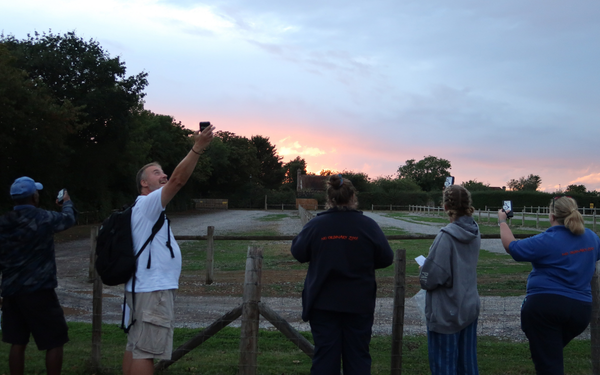
The bats kept them waiting at first, but once they arrived, they certainly put on a show, flying straight overhead and setting off the bat detectors with a chorus of clicks. These clever creatures use high-frequency calls to navigate and hunt, which are too high-pitched for humans to hear. The bat detectors pick up those ultrasonic sounds and convert them into frequencies we can hear; helping the team work out which bats were flying overhead:
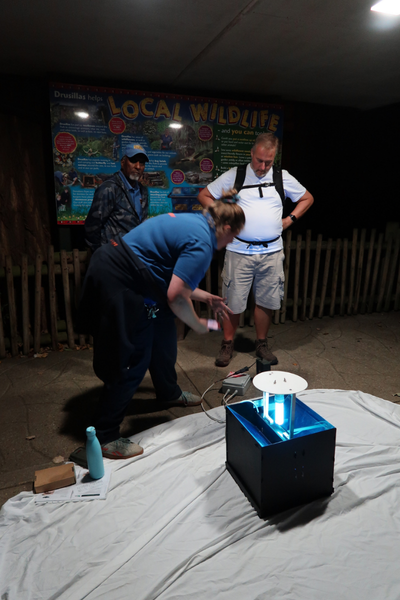
“I already knew we had bats on site, as I’d spotted them a few times while working late,” said Head Keeper, Gemma Romanis. “I led the team to the spot where I’d seen them and we waited for dusk. We didn’t have to wait long - almost as soon as it got dark, the bat detector started picking up their calls. It was so exciting to finally confirm they were there and hear them for ourselves!”
By analysing the different patterns and frequencies of their calls, the team confirmed three species of bat at Drusillas: noctule, common pipistrelle and soprano pipistrelle. They may also have detected a fourth species, but further surveying will be needed to confirm its identity.
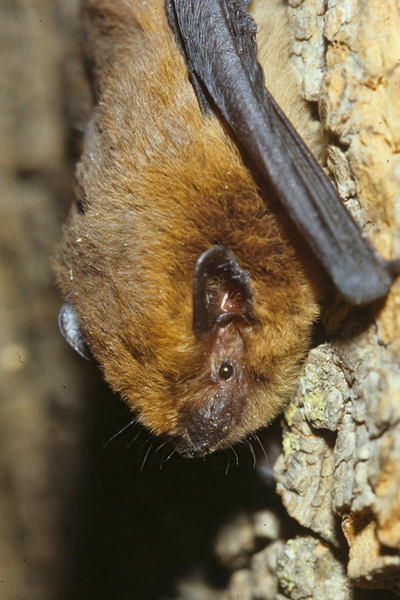
“To be able to hear the sounds the bats were making, alongside watching them swoop and dive was just mesmerising!” added Gemma. “It’s so thrilling to learn more about the wildlife living at the Park; and to be able to see and hear them at such close quarters was really phenomenal and worth the wait!”
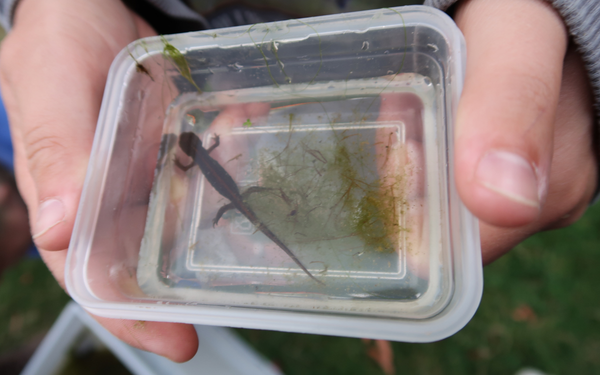
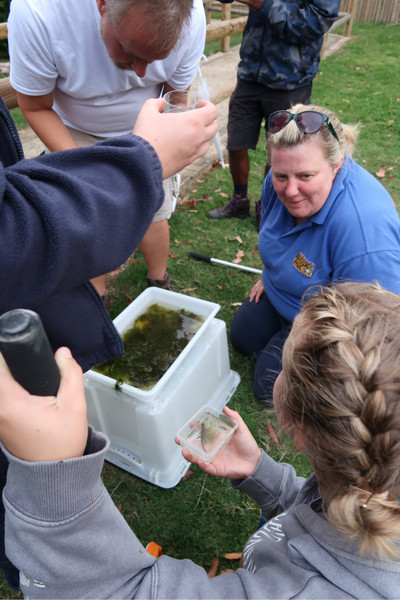
The evening survey also highlighted some of the other wildlife benefiting from habitat improvements across the Park. While waiting for it to get dark, the team carried out a pond dipping survey in the moat surrounding the Lemur habitat.
The pond has been gradually improved with oxygenating plants and emergent vegetation to make it a better home for aquatic wildlife – and it looks like all that hard work is paying off. The team was delighted to find larval dragonflies, damselflies and mayflies, along with beetles and young newts, a great sign that the pond is becoming a thriving habitat for local wildlife.
The Native Wildlife Conservation Committee regularly carries out surveys including pond dipping, moth and bumblebee surveys, as well as taking part in BIAZA’s (the British and Irish Association of Zoos and Aquariums) annual Spotted on Site bioblitz. The team has so far identified more than 30 species of moth at Drusillas.
We also use iNaturalist to record the plants, animals and fungi found across the site, building a growing picture of the biodiversity within the Park. Visitors can get involved too by adding their own photographs of native wildlife spotted during their visit, you can join in here: https://www.inaturalist.org/projects/drusillas-park
Understanding which species live at Drusillas is an important first step in protecting them. The results of this monitoring help the team understand how wildlife is using the Park and identify where further habitat improvements could make a difference.
Our native conservation work includes practical projects such as installing bird and bat boxes to provide nesting and roosting opportunities. Hedgehog ramps have also been installed in the Park, to help them move around site easily where there are human barriers such as fences.
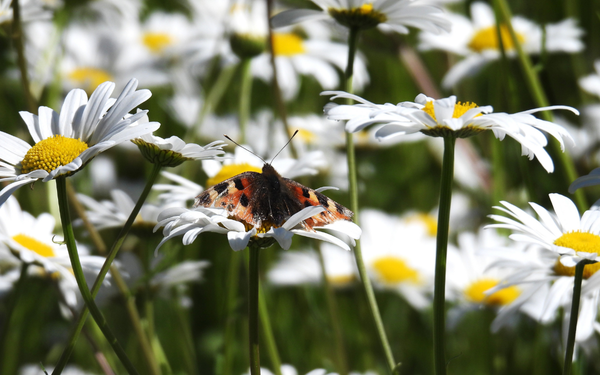
In 2025, the team created a new wildflower meadow using a seed mix specifically selected for the site’s clay-based soil. Featuring native species including oxeye daisy, cowslip, yellow rattle, musk mallow and meadow crane’s-bill, the meadow came into full bloom this year, providing food and shelter for bees, butterflies, amphibians and other wildlife.
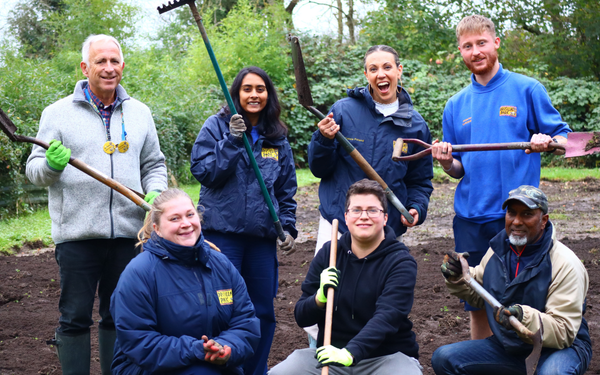
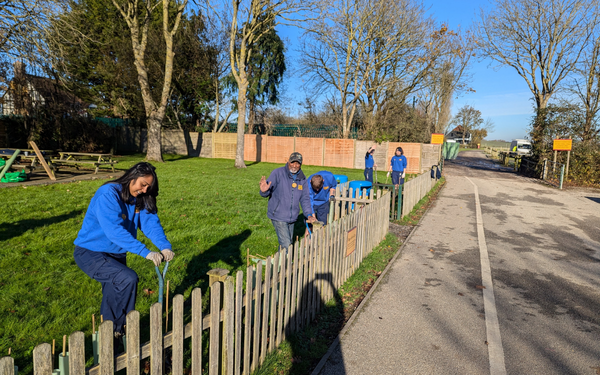
A native hedgerow was also planted in the car park area, using species including hazel, hawthorn, blackthorn, silver birch and crab apple. As well as improving the area visually, the hedgerow provides food and shelter and creates an important wildlife corridor, benefiting species from bumblebees and wrens to hedgehogs and other small mammals.
Wildlife conservation sits at the heart of our work, and we are committed to making a difference both locally and globally. While Drusillas supports conservation projects protecting threatened species and habitats around the world, we believe there is an equally important role to play in looking after the wildlife found much closer to home.
Being based in the South Downs gives us a unique opportunity to support local biodiversity, while also encouraging visitors to think about what they can do to help wildlife in their own gardens and communities.
Simple actions such as planting native flowers, providing water, creating wildlife-friendly spaces, putting up bird or bat boxes and allowing areas of gardens to grow naturally can all provide valuable resources for local species.
Looking ahead, we will continue to develop our 15-acre site as a quality habitat for native wildlife, while building partnerships with organisations such as the South Downs National Park, Rewilding Britain and Sussex Wildlife Trust to help protect and restore Sussex’s wildlife and habitats.