


Conservation Day 2025
PUBLISHED 5/12/25
On World Conservation Day, we're sharing just some of the hard work that goes on at the zoo to ensure a future where wildlife thrives. Zoos now play a vital role in protecting endangered species, educating future generations about the importance of conservation, and raising awareness and funds to help the plight of endangered species worldwide.
We are part of coordinated Ex-Situ Breeding Programmes (EEPs), which are designed to maintain healthy, genetically diverse populations of threatened species in human care. These breeding programmes help build “insurance populations”: so that should wild populations collapse or become extinct, the animals in zoos may one day support reintroduction or rewilding efforts.
Mark Kenward, Drusillas Zoo Manager, said: “Breeding programmes are a crucial part of conservation in zoos. But it’s not just as easy as putting two animals together and having lots of babies, there’s a huge element of coordination. The populations of animals in zoos are monitored and managed in zoos all around Europe to work together to create genetic diversity and preserve these animals in a captive environment. This means if disaster strikes and animals in their native environment come close to extinction, the species won’t be lost.”
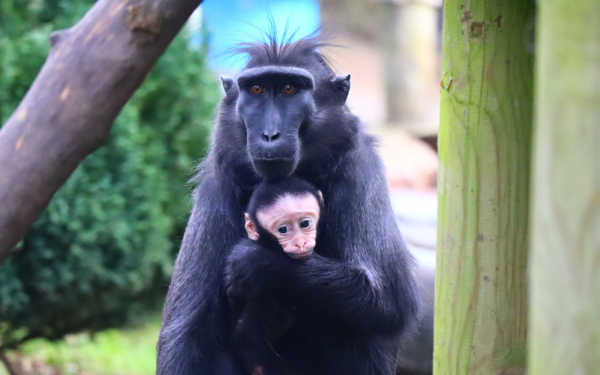
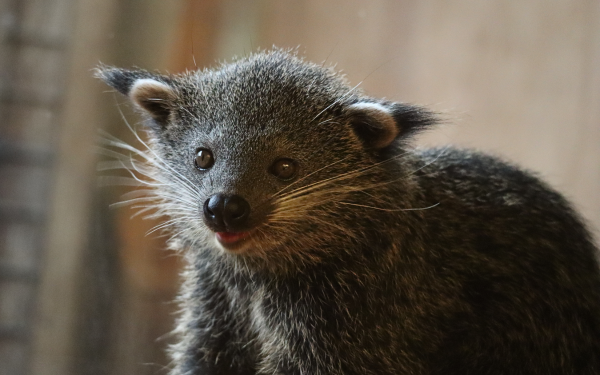
In the past year, we have welcomed Elsie, a rare Sulawesi macaque baby - a species classed as ‘critically endangered’ on the IUCN Red List - and a binturong infant, Boots, the first born here in our 100-year history. The birth of both these infants helps to boost worldwide conservation efforts and raise awareness of the threat of extinction the species face.
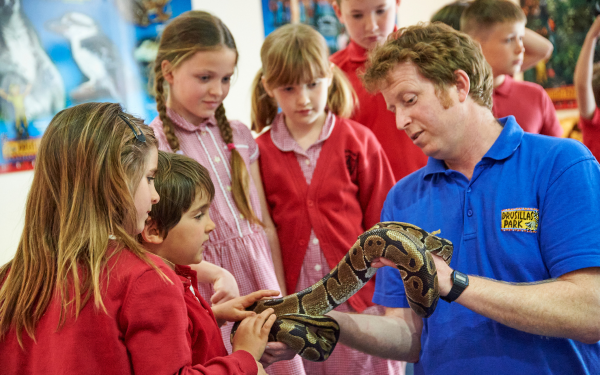
Drusillas also provides a platform for education, allowing future generations to see rare and endangered animals up close, inspiring empathy, raising awareness of conservation issues, and motivating children to support and act for wildlife. We embrace a “fun finding out” approach across the entire site, offering low-level viewing in every habitat so little ones never miss a moment. Each area is filled with hands-on interactives and playful challenges designed to spark curiosity and inspire children to learn about animals and conservation in an exciting, engaging way. There is also a dedicated education department, welcoming thousands of schoolchildren each year for memorable, curriculum-linked learning experiences.
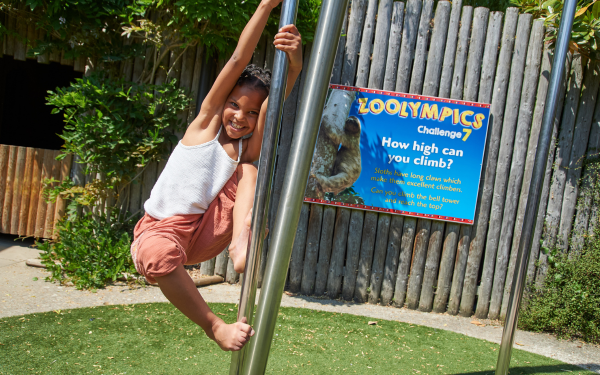
Mark continued: “Zoos are an incredibly valuable stepping stone in educating a younger audience, the future generations who are going to be here to save these species. By having animals under human care in these beautiful habitats we have created, the children can come here and build an appreciation for them and understand the challenges they are facing in the wild. When they return home, they can spread the word and build a passion for wildlife and think about what impact they can have in saving these species for the future.”
In 2024, we launched our own charity arm, Drusillas Conservation in Action, to deepen our commitment to global conservation efforts. Through this initiative, we have funded and supported the Sloth Conservation Foundation (SloCo), raising nearly £20,000 to help wild sloth populations. Collaborated with The Civet Project on a “Species Pledge” to protect vulnerable civets and binturongs, threatened by the illegal and cruel trade in civet coffee in Southeast Asia. Invested in primate conservation through Colobus Conservation, raising funds for habitat protection in Kenya. As well as supporting many other global field-conservation and education projects, including community-based programmes in Africa and South America.
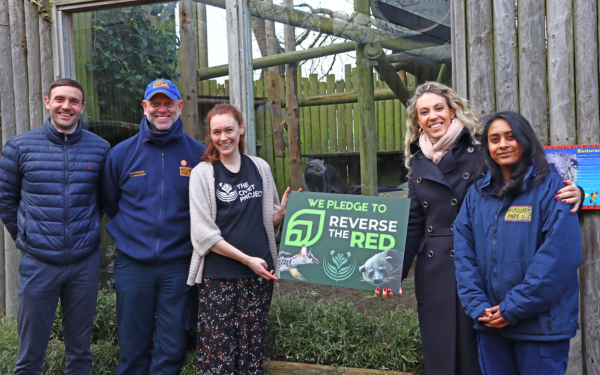
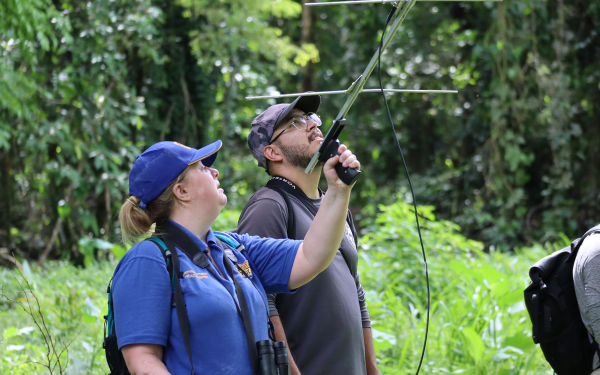
“With conservation being so important to us, we wanted to do a lot more than just donate money,” Mark continued, “so, a few years ago we decided to form our own conservation charity. Now we’re working with projects and charities across the world linked to the species we have at the zoo, helping with everything from funding to sending our keepers for on-the-ground support. Our charity helps us share the skillsets of our highly trained keepers who have dedicated their lives to species preservation and allows them to go out into the wild and support these organisations. We’ve already had a very successful field visit to Costa Rica to assist SloCo, and next year two of our keepers will travel to Kenya to help Colobus Conservation with their vital work.”
On this World Conservation Day, Drusillas urges everyone to support conservation in whatever way you can. Whether that’s visiting zoos with ethical, conservation-minded missions; supporting field-conservation charities; reducing impact on wild habitats; or raising awareness about endangered species - every action counts.