




2026 Annual Stocktake
PUBLISHED 01/01/26
As the New Year begins, the team at Drusillas Park are busy carrying out their annual animal stocktake - a major undertaking when you consider the zoo is home to more than 800 mammals, birds, reptiles, insects and fish.
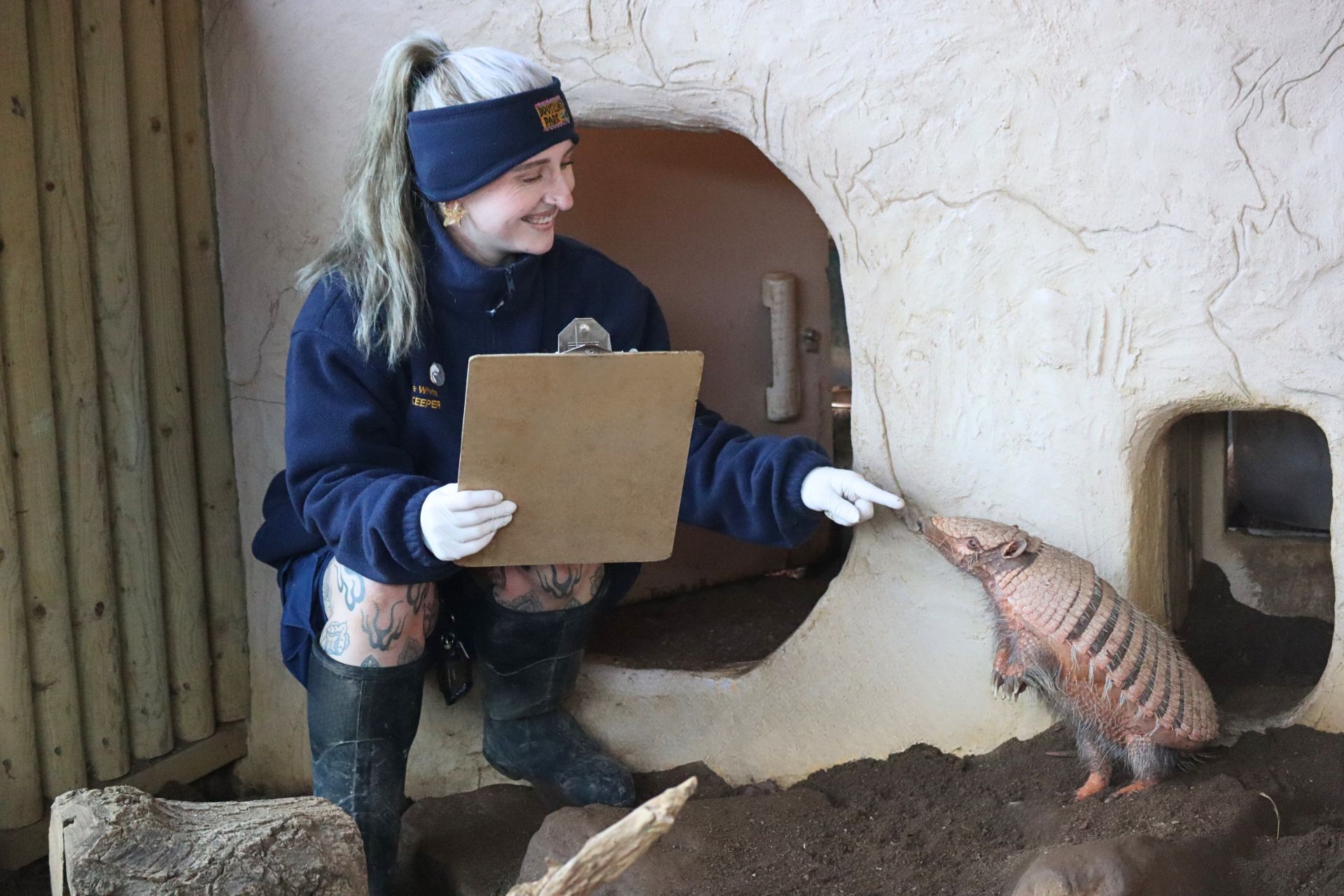
This all-important animal census is one of the largest tasks of the year and is carried out by zoo keepers nationwide. Every species must be carefully counted to meet zoo licensing requirements, which ensure detailed records are kept for all animal births, deaths, arrivals and departures throughout the year.
There have been big changes over the last twelve months, with Drusillas proudly welcoming 22 new animals, including 17 ‘zoo borns’ and a family of 5 Colombian black spider monkeys.
New babies born onsite last year include Boots, the first binturong ever born at the Zoo in its 100-year history, to proud parents Niffler and Dora in August. While January 2025 saw the arrival of Elsie, a critically endangered Sulawesi crested macaque, welcomed by mum Ahsoka and Dad Moteck.
Keepers were further delighted by the arrival of a trio of tiny pygmy marmoset infants - Nik Nak, Wotsit and Nibblet - born to devoted mum Rosie in February and August. Spring brought Enzo, a lively young colobus monkey born in March, while later in the year, one of the Park’s smallest families grew again with the birth of dinky dwarf mongoose twins Iceman and Cougar, named after Top Gun characters, just like their mum Goose. Plus - Drusillas resident Scarlet Ibis had an incredibly busy year – with 7 new chicks born throughout 2025!
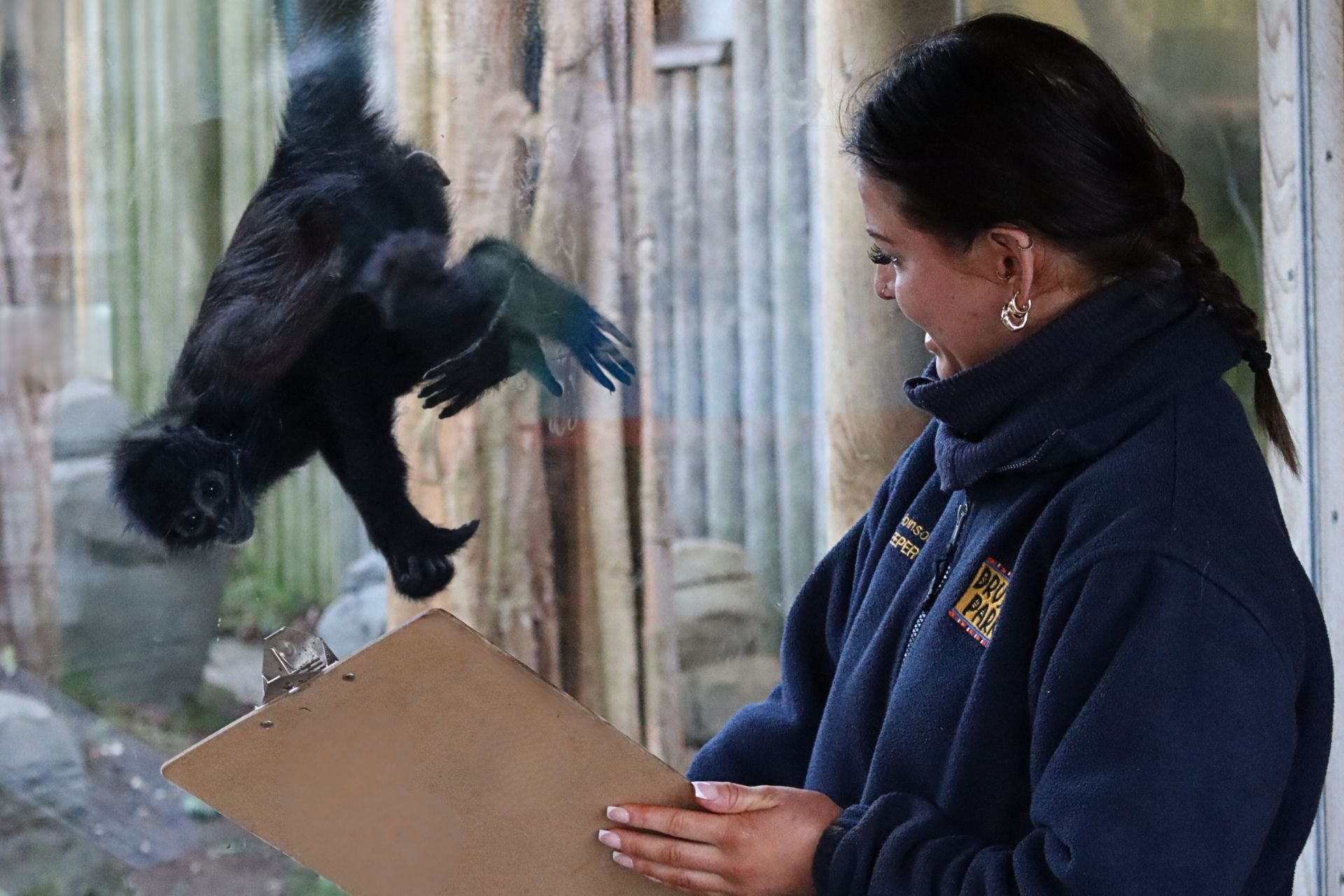
The zoo has also welcomed arrivals from other collections, including a family of 5 Colombian black spider monkeys. ‘Dad’ Mo, ‘Mum’ Jamundi, two children Ernie (6) and one-year-old Dilly, plus Mo’s new mate Moa, who all made the journey from Twycross Zoo in the East Midlands to Drusillas in October. They have quickly made themselves at home in a specially designed, immersive habitat, packed with climbing structures, natural planting, and enrichment zones to mimic their native South American rainforest habitat.
Of course, the keepers at Drusillas are well aware of how many animals they have in their care every day of the year, but the annual stock take provides an opportunity to ensure that all their records are up to date and accurately reflect the number of residents at the zoo. Most of the animals have individual records, much like our own doctors records, and these are kept on a system called ZIMS (Zoological Information Management System).
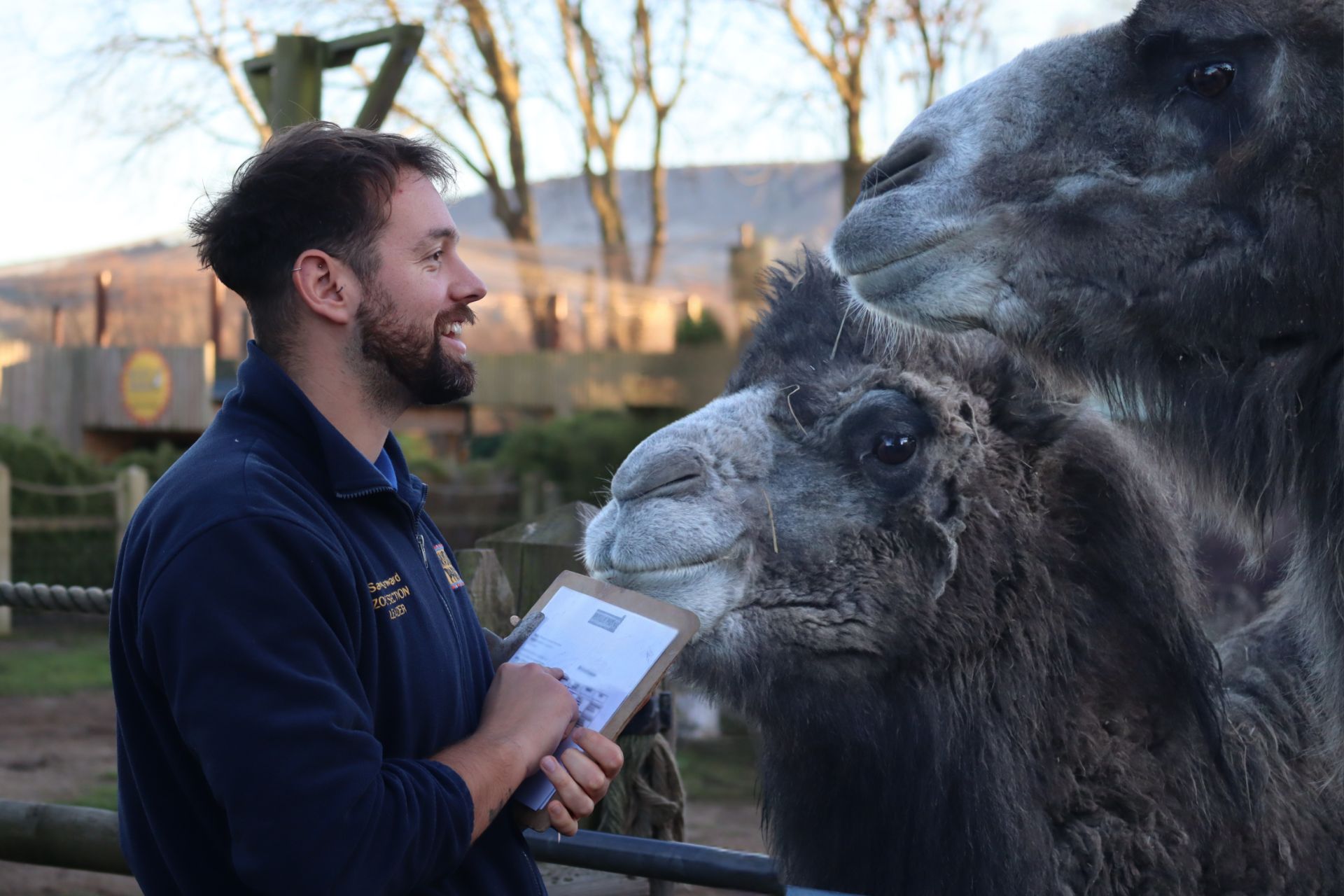
As you’d expect, larger species like the penguins, lemurs and camels can easily be counted on a daily basis, but a number of smaller species who reside at the Sussex zoo can prove a little more challenging for keepers to count.
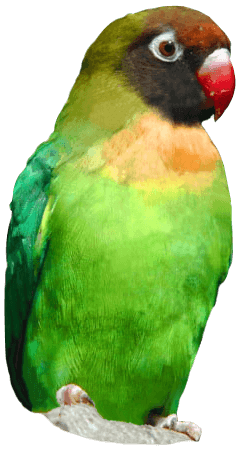
Zoo Manager, Mark Kenward explained: “Counting some of our animals is straightforward - we can easily keep track of larger species like camels, lynx and flamingos. But then there are the trickier ones! Try counting a flock of lovebirds that never sit still, and you’ll soon throw your hands up in defeat. And don’t even get me started on our invertebrates in the education department. Take our black beauty stick insects: they’re constantly laying eggs, and before you know it, we’ve got a full-blown population boom overnight!"
Head Keeper, Gemma Romanis, is overseeing the task this year and she certainly has her work cut out. With hundreds of individual animals, the process can take several days; counting some of the smaller creatures also takes a great deal of patience and plenty of double-checking.
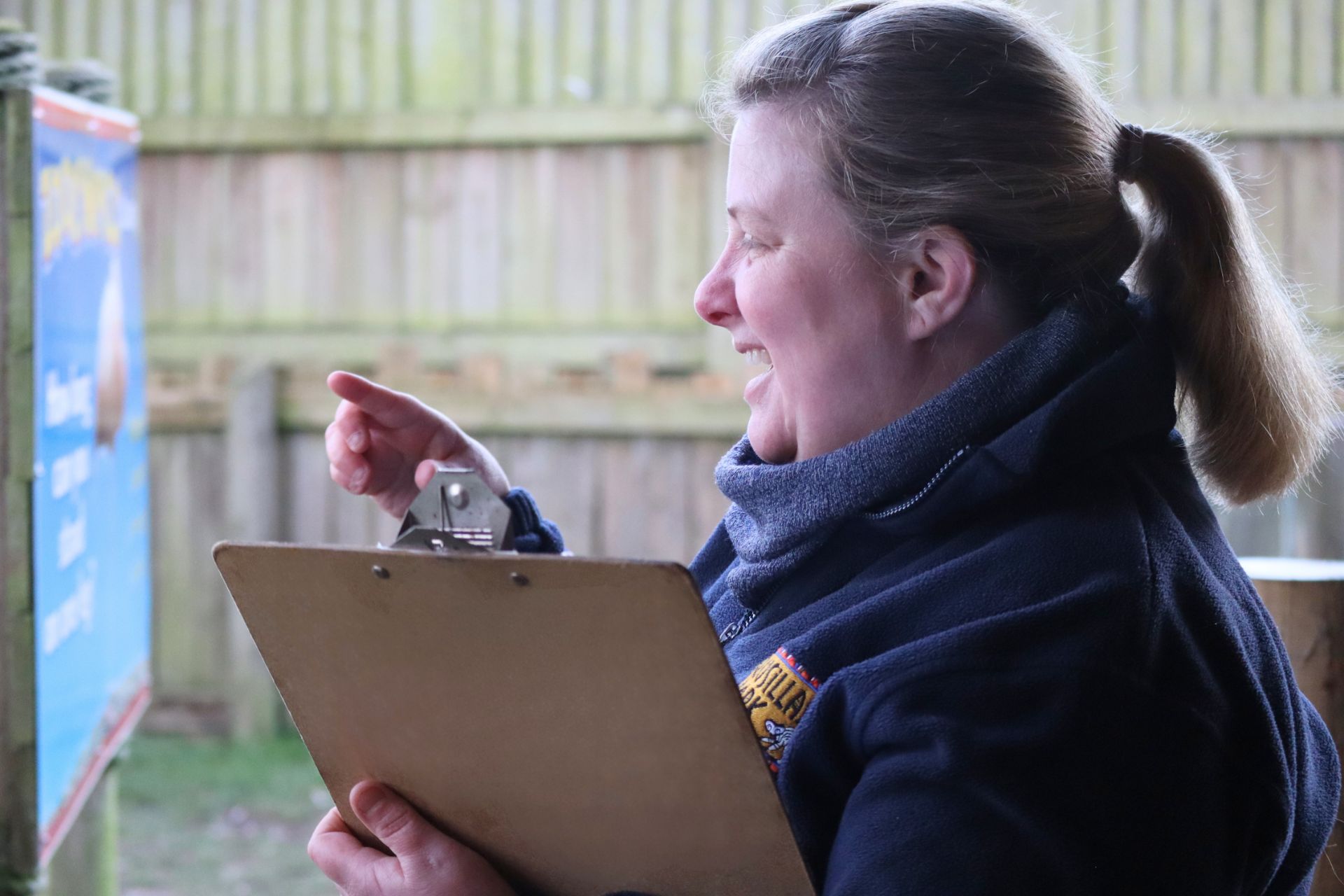
Each of the animals must have their own record card, holding details of parentage and other important information. Drusillas’ Zookeepers will be taking particular care to ensure all their details have been recorded correctly.
Once completed, this information is submitted to a central database and used by organisations such as the British and Irish Association of Zoos and Aquariums (BIAZA) to manage conservation.
Head Keeper, Gemma Romanis, commented: “Looking after the animals every day means we always know how many of them there are, but the annual stock take is a chance for us to ensure our records are spot on. There’s an awful lot to do and it can be very time consuming, but I really enjoy doing it. It makes a nice change from my usual daily activities.”