


Help Us Name Our NEW Ring-Tailed Lemurs!
Following an extensive habitat makeover, Drusillas Park is delighted to welcome 12 lively new ring-tailed lemurs. The East Sussex attraction has reopened the enclosure after more than a month of renovations, unveiling a revitalised space complete with specially designed equipment to keep its energetic primate residents active and engaged.
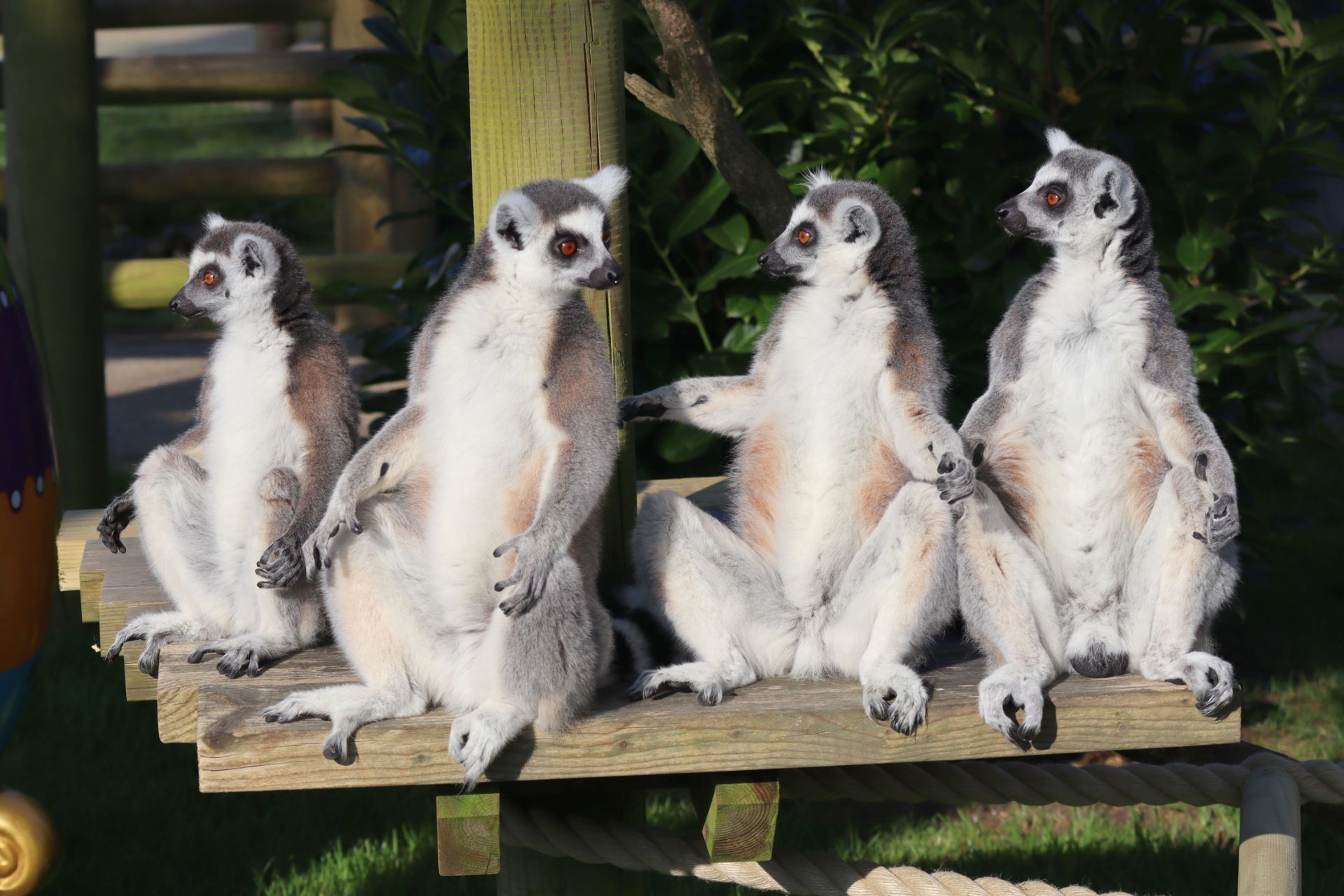
The playful newcomers, consisting of 4 males and 8 females, ranging in age from just two-years-old to eight, are already settling in well, exploring their new home and beginning to bond with their keepers. The revamped habitat has been carefully designed to encourage climbing, leaping, and foraging, ensuring the lemurs can thrive in a stimulating and enriching environment.
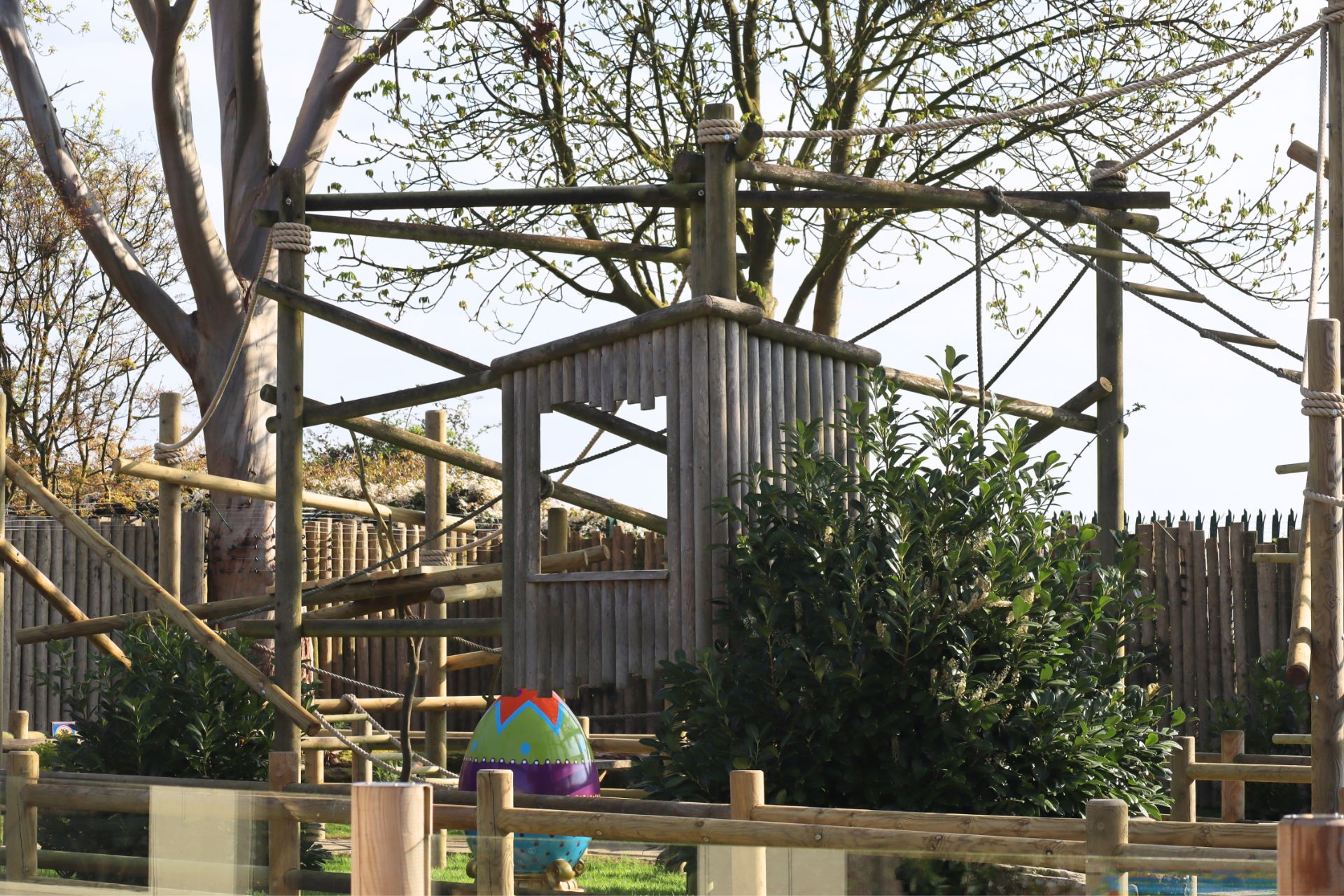
Zoo Manager, Mark Kenward, said: “Welcoming 12 new ring-tailed lemurs is a wonderful milestone for us, and we’re particularly pleased to be introducing them to a fully refurbished habitat. Lemurs are highly social animals that thrive in family groups, and they’ve settled in brilliantly.”
“The new habitat has been carefully designed to encourage natural behaviours, with plenty of opportunities for the lemurs to explore and interact. Multiple platforms provide spaces to snack, socialise and soak up the sun; one of their favourite pastimes. Visitors should keep an eye out for the classic lemur ‘yoga pose’, as they stretch out their bellies in the sunshine to warm up. The enclosure also features dynamic elements such as swings and ropes, giving these sprightly primates ample opportunity to stay active.”
He continued: “We’re really looking forward to visitors meeting them over the Easter holidays and helping us come up with some fun and fitting names. With 12 new arrivals, we’d really appreciate a bit of help and inspiration!”
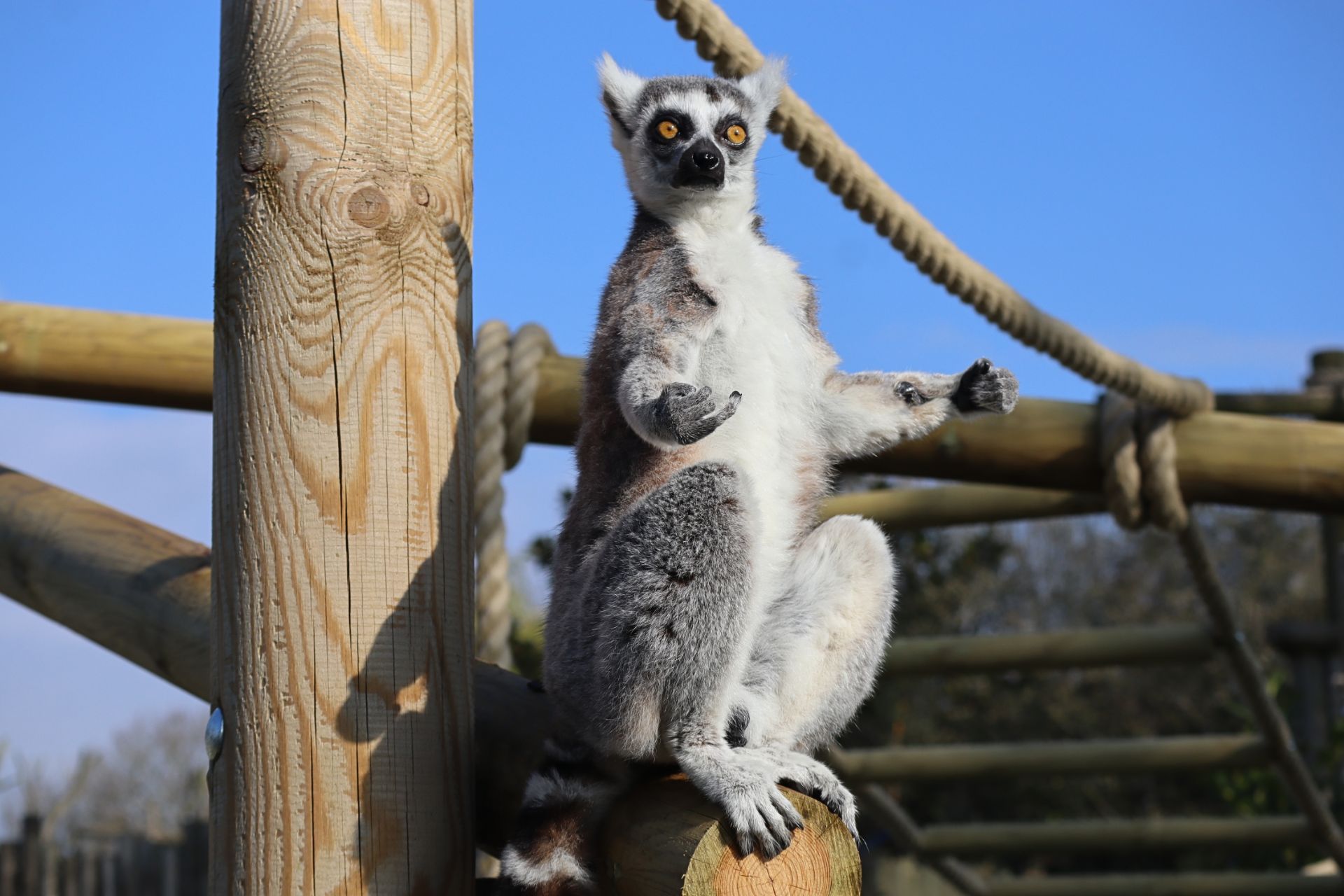
Lemurs hold a special place in Drusillas’ history, having been among the original animals when the park first opened over a century ago. Their return in greater numbers marks an exciting new chapter for one of the zoo’s most iconic and much-loved species.
As part of this transition, the park’s older lemurs have been thoughtfully relocated to a specially designed ‘retirement complex’ off-show within the zoo. There, they can enjoy a quieter environment and receive dedicated care from keepers, allowing them to live out their days in comfort.
Ring-tailed lemurs are currently classified as Endangered on the IUCN Red List, with populations in the wild facing a continued decline. Native to Madagascar, ring-tailed Lemurs are one of 112 known species of lemur only found in Madagascar. Their numbers have been significantly impacted over recent decades, facing a range of pressures, including habitat loss due to deforestation, as well as hunting and the illegal pet trade.
Zoos like Drusillas play an important role in their conservation, supporting breeding programmes, raising awareness among visitors, and contributing to global efforts to protect the species and its fragile natural habitat.
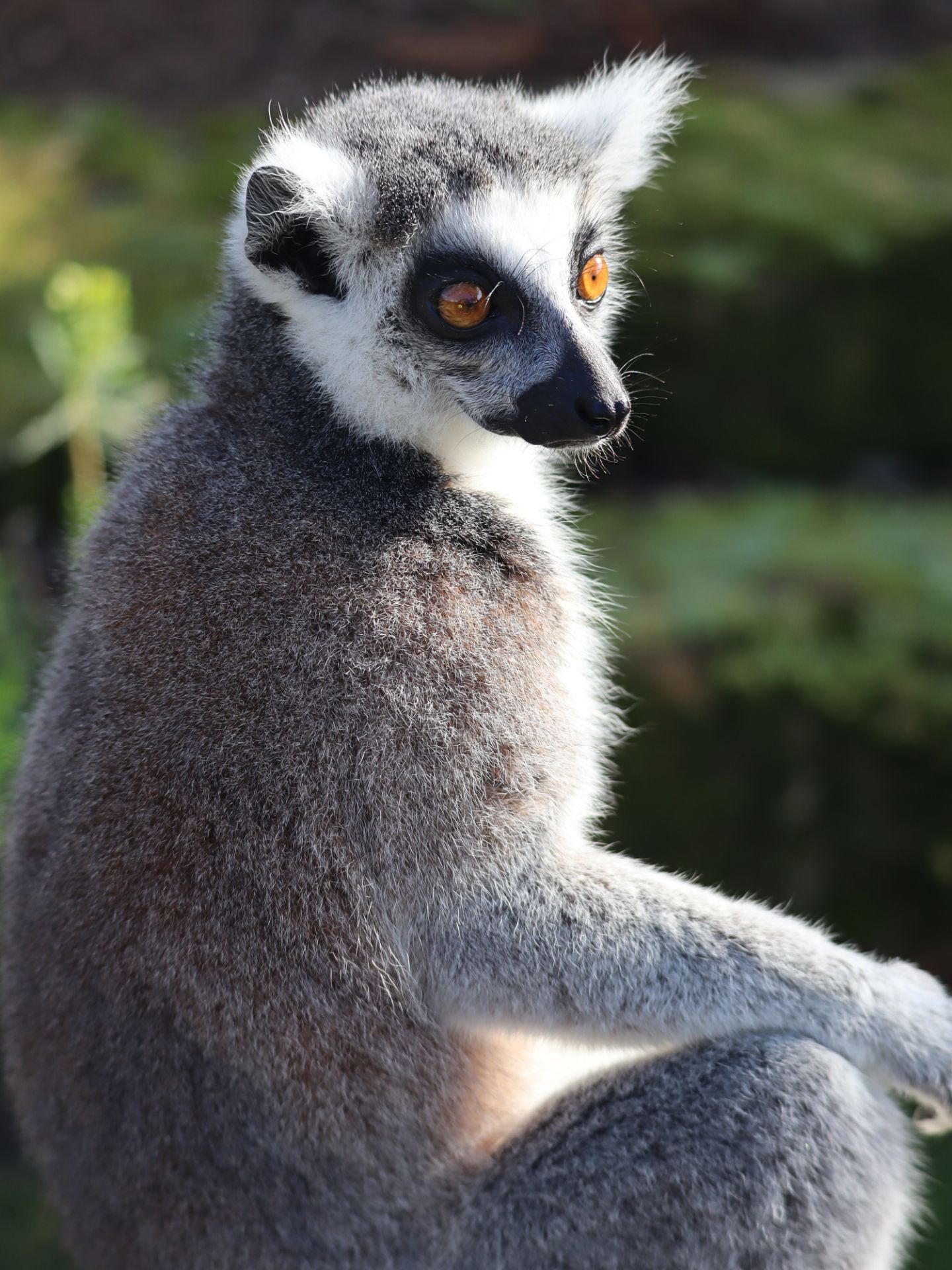
Visitors heading to the Park during the Easter holidays will be among the first to meet the new arrivals and watch their playful antics firsthand. The public are also be invited to help name the lemur newbies via Drusillas’ Facebook and Instagram pages. Suggested themes include nature-inspired, types of food and drink, or yoga-themed - keepers can’t wait to hear what the public comes up with!