



New Scarlet Ibis chicks with rather delicious names
PUBLISHED 19.8.26:
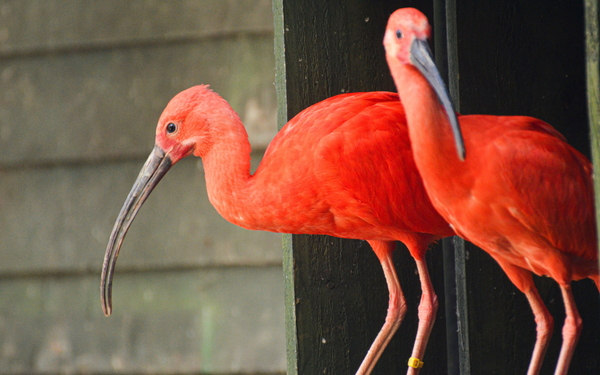
We're celebrating the continued growth of our Scarlet Ibis flock, which has increased from just six birds to an impressive 33 this summer! We've developed considerable experience in the management and breeding of these striking reddish pink wading birds, native to tropical South America and parts of the Caribbean. While the species is currently classified as Least Concern, wild populations are declining rapidly, making successful breeding under human care increasingly important.
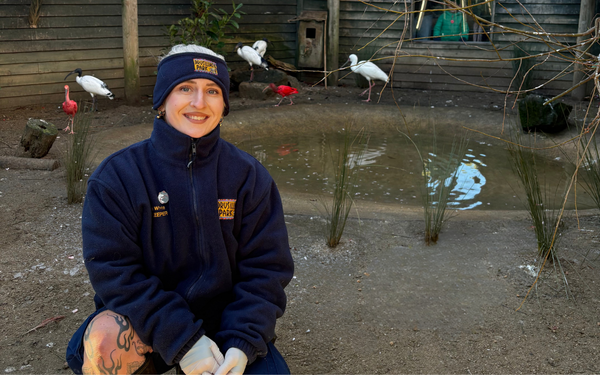
When the first chick was born into the flock, our Bird Keeper, Lottie White, was struck by his dark juvenile plumage, which reminded her of a piece of burnt toast. The name stuck - and a bakery inspired naming tradition for every newborn baby bird began.
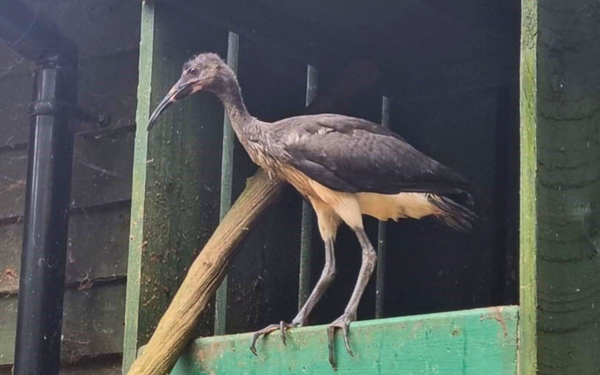
Four years later, Toast has grown into a handsome adult and has paired up with Croissant. The pair have successfully raised several offspring together, including two chicks born this year, which keepers have playfully named Cannoli and Churros.
Other bread and bakery inspired names for the flock include Crumpet, Focaccia, Ciabatta, Panini, Pancake and Waffle - with Waffle being the most prolific Mum, having successfully raised an impressive seven chicks.
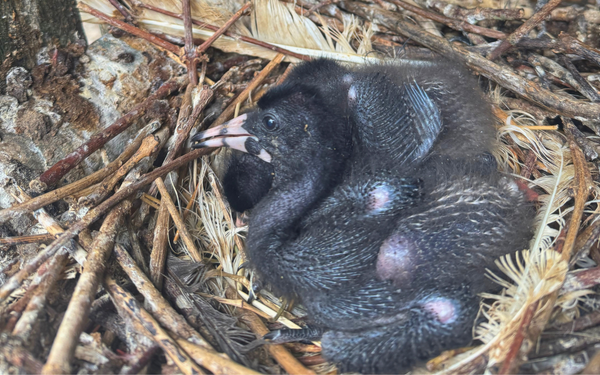
“Toast started the whole naming tradition,” said Lottie. “When he was little, his dark colouring really did make him look like a piece of burnt toast! The names are more than just a bit of fun; they also help us keepers identify individual birds. Crumpet, for example, is particularly easy to recognise because she still has her distinctive pink beak.”
“I’ve got a real affection for the Scarlet Ibis. They each have their own personalities and quirks, and when you spend so much time watching them, you really get to know them. The names have become part of that.”
Drusillas’ breeding success has been built over many years through careful husbandry, close observation and a detailed understanding of the individual birds and their seasonal and behavioural needs.
“Growing our Scarlet Ibis flock from a small starting population in 2010 to 33 birds today is a fantastic achievement for the team,” said Mark Kenward, Zoo Manager at Drusillas. “Scarlet Ibis can be surprisingly sensitive to changes in their environment, so maintaining the right conditions is incredibly important. It’s particularly rewarding to see that our established breeding pairs are now successfully rearing their own chicks.”
None of the young birds have required hand-rearing or direct intervention from the keeping team. Once hatched, both parents feed them by bringing food back up from their crop (a small sac in their throat) and passing it directly to the chick through the mouth.
“The chicks are quite demanding,” said Lottie. “They seem to want food almost constantly! Mum and Dad take it in turns, so there’s definitely no escaping parental duties.”
The keeping team also provides the birds with long, thin sticks, which they can use to build and reinforce their nests.“We give them the materials they need, but the birds do the actual nest-building themselves,” explained Lottie. “It’s lovely to watch them working together and preparing for their chicks.”
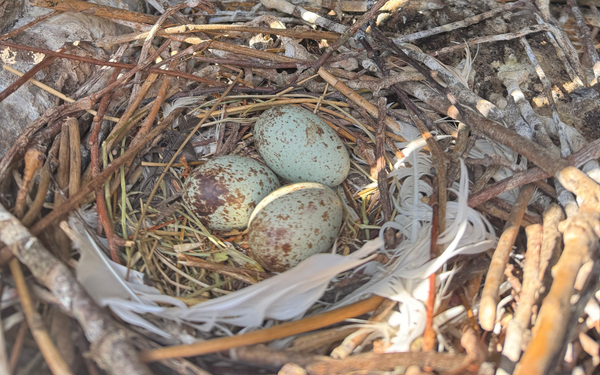
Careful environmental management is particularly important for Scarlet Ibis during the colder months, as the species can be sensitive to fluctuations in temperature.
As temperatures fall, the birds are closely monitored and provided with appropriate sheltered areas. Drusillas’ location on the south coast of England is also advantageous, as winters can be comparatively mild compared with many other parts of the country.
“Those first few months and their first winter are a particularly important time for our youngsters,” explained Mark. “We move newly fledged chicks into a protected area, which gives us the opportunity to keep a close eye on them while they mature and become stronger. Once they’ve successfully made it through that first winter, they’re much better equipped to cope with the conditions alongside the adult flock.”
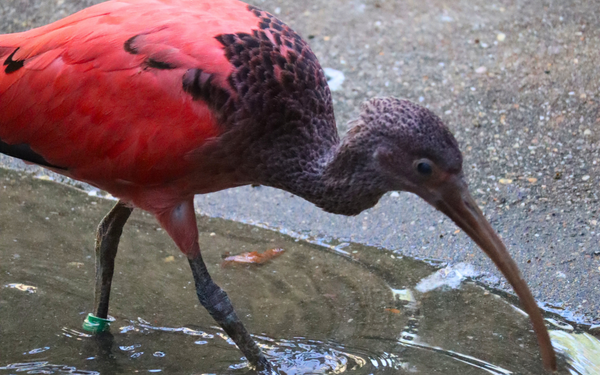
The team hopes that the flock’s continued success will eventually allow Drusillas to help other zoos. By transferring mature youngsters to establish new breeding pairs, the zoo hopes to contribute to the development of additional successful flocks.
“Our ambition is for our success here to benefit Scarlet Ibis beyond Drusillas,” said Mark. “As our flock continues to grow, we hope to be able to transfer suitable mature juveniles to other UK zoos, where they can establish new breeding groups. Sharing both birds and the knowledge we’ve gained through managing and breeding this species is an important part of what we want to achieve in the future.”