


Reverse the Red Day 2026
PUBLISHED 6/2/2026
Tomorrow, on Reverse the Red Day, conservation organisations around the world come together to show that species decline is not inevitable. The occasion also marks one year since Drusillas and The Civet Project Foundation joined forces to protect civets and binturong from extinction - and, one year on, there is much to celebrate.
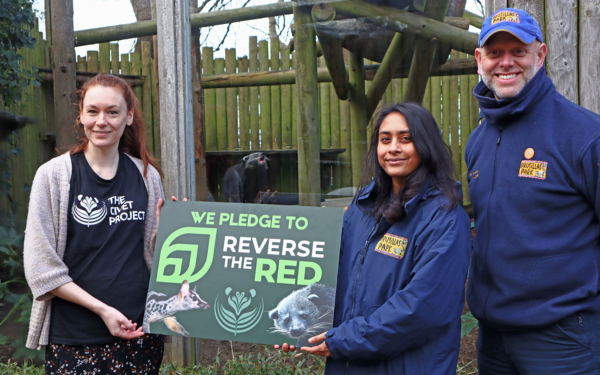
Drusillas has cared for binturongs for many years, but in 2025 took its commitment further by expanding its conservation impact beyond breeding. Marking Reverse the Red Day last year, Drusillas began working with The Civet Project Foundation to raise awareness and support frontline conservation in the regions where civets and binturong face the greatest threats. The partnership is led by Dr Jes Hooper, Founder of The Civet Project Foundation and a former keeper at Drusillas Park.
Presha Soogrim, Head of Conservation at Drusillas, said, “Binturongs are threatened due to hunting for their meat and civet coffee throughout Asia. This enigmatic but Vulnerable species needs our help, and we are proud to support the Flagship Civet One Health program and collaborate on the Reverse the Red pledge for binturong with The Civet Project.”
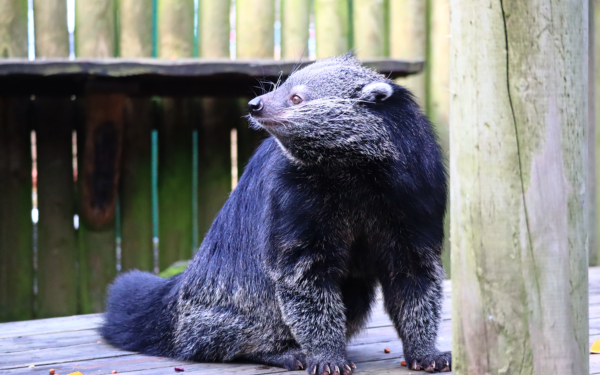
This work comes at a critical time. Civets and binturong face serious threats, particularly in Southeast Asia, driven by habitat loss and the growing demand for civet coffee (kopi luwak). Often marketed as ethical or rare, civet coffee production commonly involves wild animals being captured, caged, and force-fed coffee beans in poor conditions.
Thankfully, with support from Drusillas and other zoo partners, The Civet Project has been able to take action to target these threats and reached several major milestones since the pledge was established last year. Most notably, funding enabled the appointment of the organisation’s first Project Officer in Vietnam: Thuy Nguyen Thi Thanh, a Doctor of Veterinary Medicine. Her role is crucial in supporting the Civet One Health Programme, working with communities and decision-makers to reduce animal suffering, protect wildlife, and challenge the civet coffee industry at its source.

The Civet Project founder, Dr Jes Hooper, said, "Reverse the Red is such an important campaign that shows the public that it is possible to slow rates of extinction if we all work collectively to do so. The Civet Project Foundation are proud to be working alongside Drusillas in this mission, because together we are able to build the bridge between conservation happening in zoos and conservation happening in the wild. Drusilla's support has been instrumental in our Reverse the Red milestones including the launch of the first ever program dedicated to ending the commercial trade in civets for civet coffee."
Over the past year, the partnership has helped drive real progress for civets and binturong around the world. The Civet Project has brought together a strong international network of 23 experts, many of whom live and work in the countries where these animals are found, helping to better connect conservation action on the ground with support from zoos and organisations overseas.
Public awareness has also grown, with the cruelty behind civet coffee highlighted in well-known publications including BBC Wildlife Magazine and The Washington Post. Creative fundraising efforts, such as limited-edition binturong and Owston’s civet pin badges, have helped raise funds for vital conservation work. This growing momentum was reflected in World Civet Day 2025, which reached more than 400,000 people worldwide and helped shine a spotlight on these often-overlooked species.
Meanwhile, Drusillas has helped turn visitor interest into action. On World Binturong Day, last May, the zoo donated half of all coffee sales and binturong soft toy sales to The Civet Project, raising vital funds to support conservation efforts to protect wild civets and binturong.
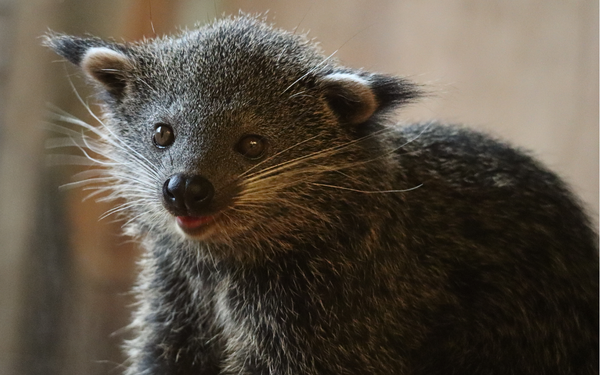
Alongside this, Drusillas celebrated a major conservation success in 2025 with the birth of a baby binturong. In August, resident binturongs Niffler and Dora welcomed a healthy cub, Boots - an important milestone for a species listed as Vulnerable on the IUCN Red List. With wild binturong numbers believed to have declined by more than 30% over the past 30 years, successful zoo breeding programmes play a vital role in safeguarding the species future while inspiring public support.
Mark Kenward, Animal Manager at Drusillas Park, said:
“The birth of Boots was a huge moment for our team and a real boost for binturong conservation. At the same time, we want people to understand the threats these animals still face in the wild. By linking our fundraising and education to everyday choices like coffee, we’re helping visitors see how they can make a positive difference.”
As Reverse the Red Day 2026 is marked around the world, Drusillas and The Civet Project are inviting the public to learn more about these remarkable species and discover the small but meaningful ways everyone can help protect wildlife.